
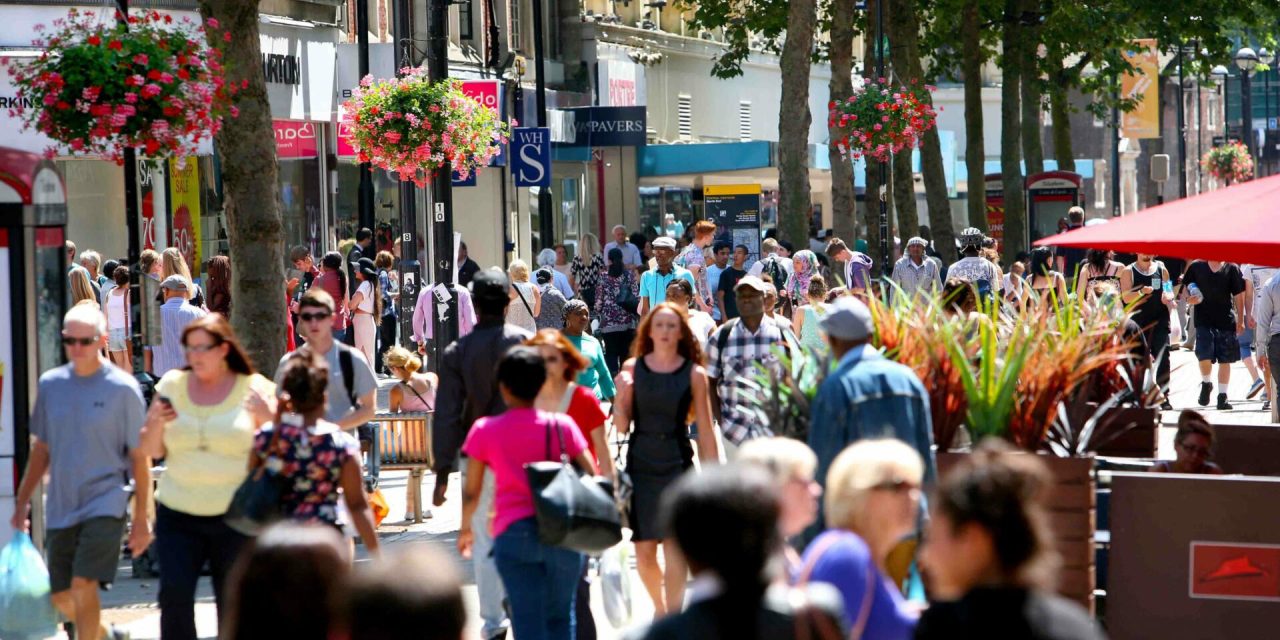
UK retailers enjoyed a stronger-than-expected June as warm weather, sporting events and increased online shopping encouraged consumers to spend – and clothing and footwear stores especially benefited from the spell of hot weather.
Figures released by the Office for National Statistics (ONS) showed retail sales volumes increased by 1% month-on-month in June, confounding forecasts for a 0.3% decline. Compared with the same month last year, sales were 4.2% higher, comfortably ahead of economists’ expectations.
The strongest gains came from non-store retailers, where sales climbed 4.4%, helped by strong demand for Summer clothing, seasonal goods and cooling products. Online shopping accounted for 29.4% of all retail spending, the highest share since April 2021, as many shoppers opted to avoid the heat by buying from home.
Clothing and footwear retailers also benefited in June, while promotional activity encouraged spending across several non-food categories. However, some areas of the retail sector remained under pressure, with department stores and household goods retailers recording weaker performances during the month.
The latest figures suggest consumer demand has remained more resilient than many economists anticipated, following a mixed start to the year. Retail sales volumes increased by 0.6% over the second quarter, providing a modest boost to the outlook for household spending.
Recent surveys have also pointed to improving consumer confidence, supported by easing inflation and optimism following the appointment of Prime Minister Andy Burnham. Measures announced by the new government aimed at reducing household costs have helped improve sentiment, although confidence remains below long-term averages.
Despite the stronger sales data, analysts cautioned that the improvement may prove temporary. Rising energy costs linked to tensions in the Middle East, alongside higher living expenses and borrowing costs, could weigh on consumer spending in the months ahead.
Financial markets expect the Bank of England to leave interest rates unchanged at 3.75% in the near term, although policymakers are likely to continue monitoring inflation and consumer demand before deciding on their next move.